 JAPAN
Explore Tokyo districts
 Hakone-Yumoto
: sweets and woodcraft, from the Hayakawa riverside up to Sounji
Sweets and yosegi woodcraft line the station-front shopping street in Hakone-Yumoto. Beside the Hayakawa River, red bridge railings and a mountain-framed channel come into view. I’d keep this as a walk before arriving in or leaving Hakone: the gentler shopping street and riverside first, then uphill to Sounji for its timber buildings and Hojo graves if there’s energy left.
Open this notebook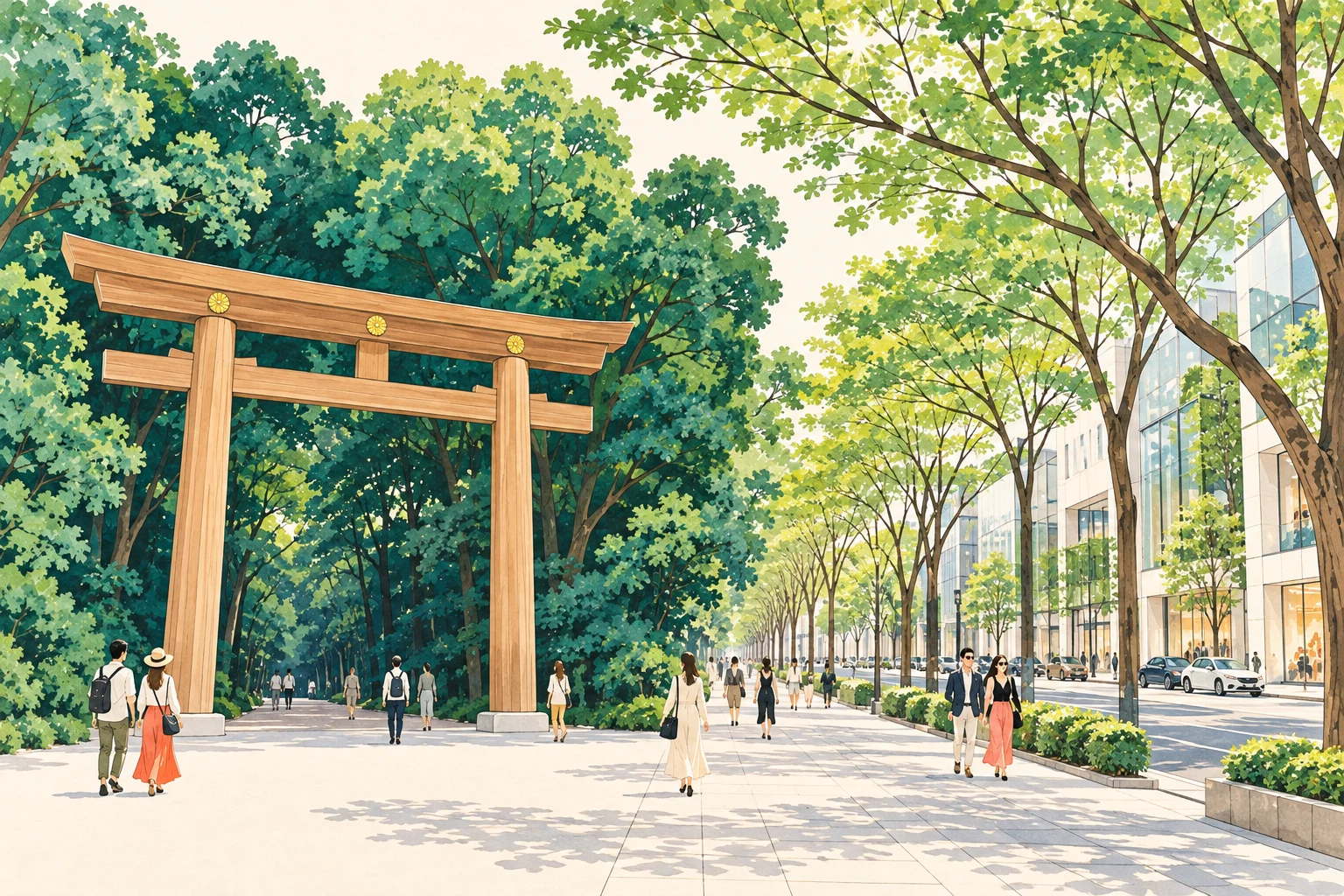 Harajuku & Omotesando
One day in Harajuku & Omotesando: forest paths, Cat Street and Japanese tea
Forest shade at Meiji Jingu, sweet crepes on Takeshita Street, then Cat Street and Omotesando at your own pace. Join Gai Xiaomi for a flexible day: add Nezu Museum for art or linger over coffee. Each stop includes time, costs, directions and real places to eat.
Open this notebook Ikaho Onsen
: Golden Spring Water, Roka’s Wooden House and Garden
Beyond Kajika Bridge, the source path links a hillside, a drinking-spring pavilion and outdoor stone pools. I’d leave time for a golden-water bath, then return to the lower town for Roka’s writings, a relocated inn annex and the moss garden outside its veranda.
Open this notebook Ikaho Stone Steps
Ikaho’s 365 Steps: Hot-Spring Channels and a Diplomat’s Summer Villa
The middle of Ikaho’s steps holds clues to the way hot-spring water reaches the town, with shops climbing the slope on either side. I’d start at the lower plaza, looking for the water, distribution openings, poetry and zodiac marks, then return to the nearby Hawaiian minister’s villa for the story behind this mountain summer home.
Open this notebook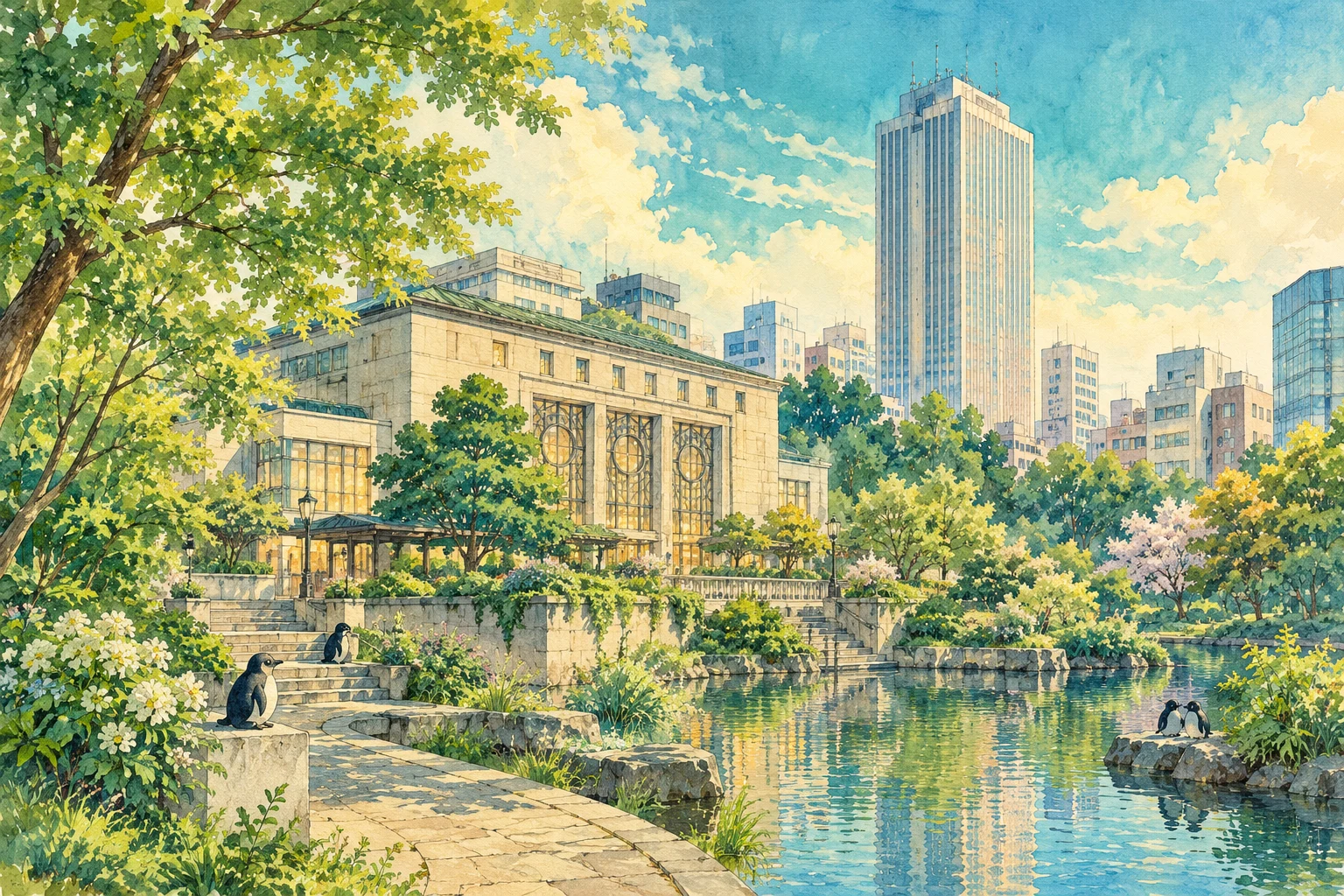 Ikebukuro
An Ikebukuro day: Myonichikan, a park pause and Sunshine City
Walk with Gai Xiaomi from a west-side architectural landmark to an east-side park, then choose aquarium, skyline or character shops. Three flexible main stops, with dining, indoor, outdoor and stay options easy to browse.
Open this notebook Imperial Palace & Otemachi
Castle gardens, a pocket forest and fountains beneath Tokyo’s skyline
Want more than a quick palace-plaza photo? Walk through the East Gardens’ Edo Castle remains, Otemachi Forest, Wadakura Fountain Park and the Outer Gardens’ bridge views, with soba, seafood bowls or a French lunch along the way. First, distinguish the East Gardens, the guided palace visit and the Outer Gardens: they have different entrances and visiting rules. 🌿 East Gardens: a free outdoor garden and castle site, with no reservation required. 🏯 Imperial Palace guided visit: a separate outdoor tour requiring an advance application or a same-day admission ticket. 🌉 Outer Gardens: public plazas and moat-side bridge views, generally open for independent walks. 🌸 Shinjuku Gyoen: a separate, paid outdoor garden in Shinjuku, covered in our Shinjuku guide.
Open this notebook Jimbocho
, Tokyo: follow your interests through books and everyday history
You do not need to read Japanese to enjoy Jimbocho. A photography book’s layout, the lines of an old map or a date on a spine can all give you a reason to open a book. This walk leaves time for Yasukuni-dori and Suzuran-dori, then continues to the National Showa Memorial Museum in Kudanshita, moving from printed pages into wartime and postwar daily life. Bring a small interest and a willingness to slow down.
Open this notebook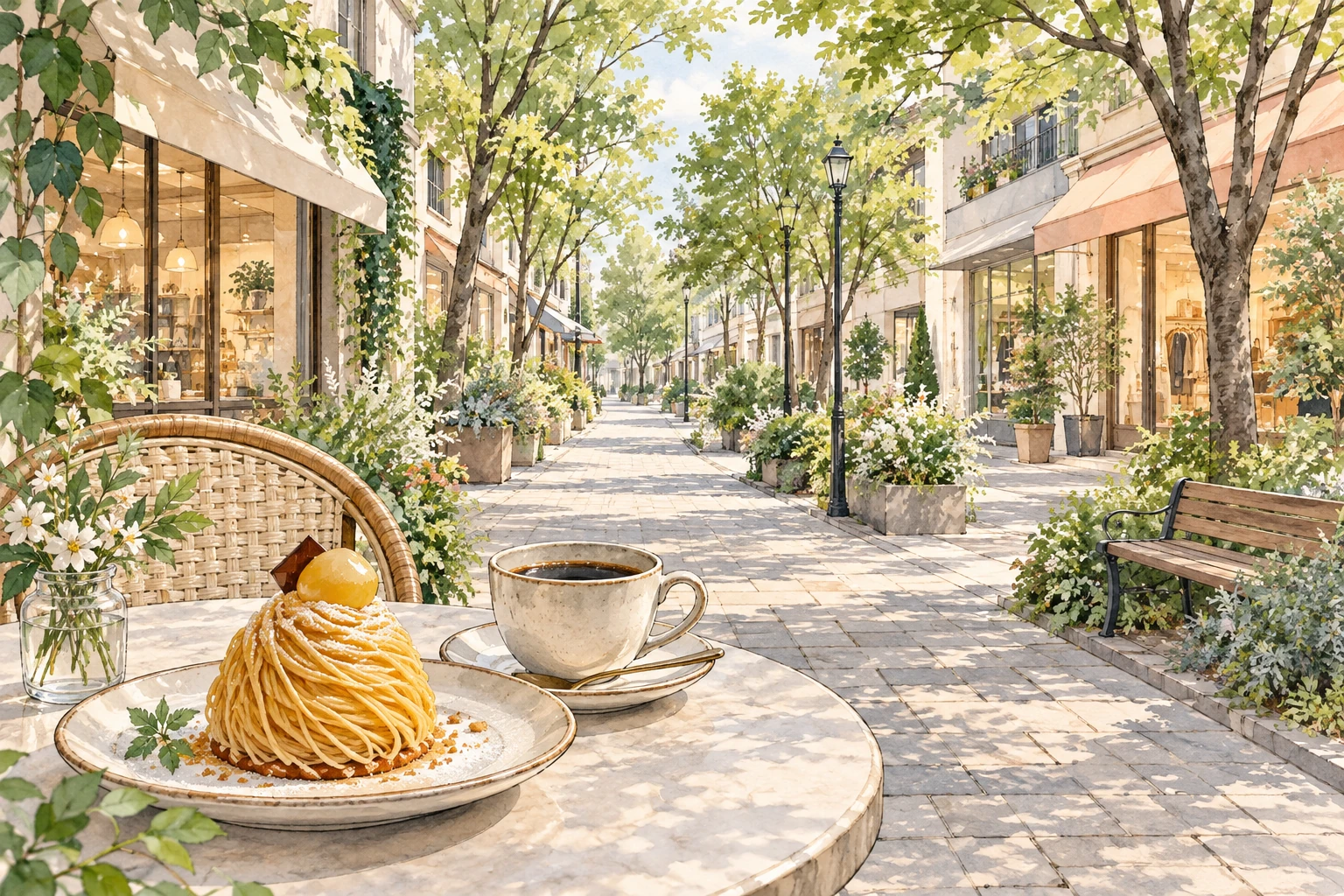 Jiyugaoka
 in a day: sweets, a neighbourhood shrine and greenway
Walk with Gai Xiaomi from station shops to a local sanctuary and a covered-river greenway. Find the confectioner’s new address, share jumbo gyoza and take one coffee break; extend to Kuhonbutsu if temples interest you.
Open this notebook Kagurazaka
, Tokyo: stone tigers, cobbled lanes and a glass shrine
Kagurazaka reveals itself one turn at a time. Vermilion Zenkoku-ji stands beside the busy slope; across the street, a narrow entrance leads onto Hyogo Yokocho’s stone paving. Farther uphill, Akagi Shrine brings timber screens and glass together. Leave half an afternoon for buildings and lanes, without rushing between shops, and see how tradition and modern design coexist in an everyday Tokyo neighborhood.
Open this notebook Kairakuen
: from bamboo woods to plum trees and Kobuntei lake views
I'd start with bamboo and cedar woods at Omotemon, then visit Togyokusen, the plum grove and Senekidai before stepping into Kobuntei for its round window, wooden verandas and third-level views. The route from shade to light also works outside blossom season.
Open this notebook Hase & Kamakura Great Buddha
Hasedera & Kamakura Great Buddha: Ponds, Sea Views and the Seated Buddha's Robes
From Enoden's Hase Station, Hasedera lies on the hillside, while Kotokuin is farther inland along the street. Hasedera's ponds, Jizo figures and Kannon Hall occupy different levels, with the curve of Yuigahama visible from the sea viewpoint. At the Great Buddha, the eye turns to bronze robes, hands and the low corridor behind. I'd leave half a day for these two temples, with some flexibility for steps and indoor visits.
Open this notebook Kamakura Station & Komachi
Kamakura's Komachi Street: Dango, Shopfront Finds and Hokaiji's Garden Trees
Beside Kamakura Station's east exit, Komachi Street's signs stretch toward Hachimangu, with sweets, clothes and everyday objects along the way. I'd leave some time for browsing before turning toward Hokaiji. There are a wooden main hall, bell tower and stone paths, with stories of the Hojo clan among the trees. This walk takes about 2–3 hours, with more time for a sit-down meal or tea.
Open this notebook